


Why Must Lightweight Plastics from Municipal Solid Waste Be Pre-treated Before Pyrolysis?
Many operators ask: If the pyrolysis reactor is the key equipment for producing oil, can lightweight plastics simply be sorted and fed directly into the reactor?
The answer is that direct feeding without adequate pre-treatment can create serious operational problems.

Without proper shredding and separation, these materials can contribute to feeding blockages, uneven heating, coke formation and equipment corrosion, potentially disrupting the entire pyrolysis line.
1. Tangled Plastic Films Cause Feeding Problems and Uneven Heating
PE and PP films are flexible and easily tangle into large bundles. When fed directly into a pyrolysis system, these bundles can cause bridging and blockages, interrupting continuous feeding.
Large bundles can also heat unevenly. The outer layers may overheat and form carbonaceous deposits, while the inner material may not undergo complete thermal decomposition. This can affect process stability and product yield.
Harden Machinery's shredding pre-treatment solution uses cutting and shredding to reduce long films and break up tangled plastic bundles, producing more manageable, consistently sized material. This helps improve feeding continuity and supports more uniform heating during pyrolysis.
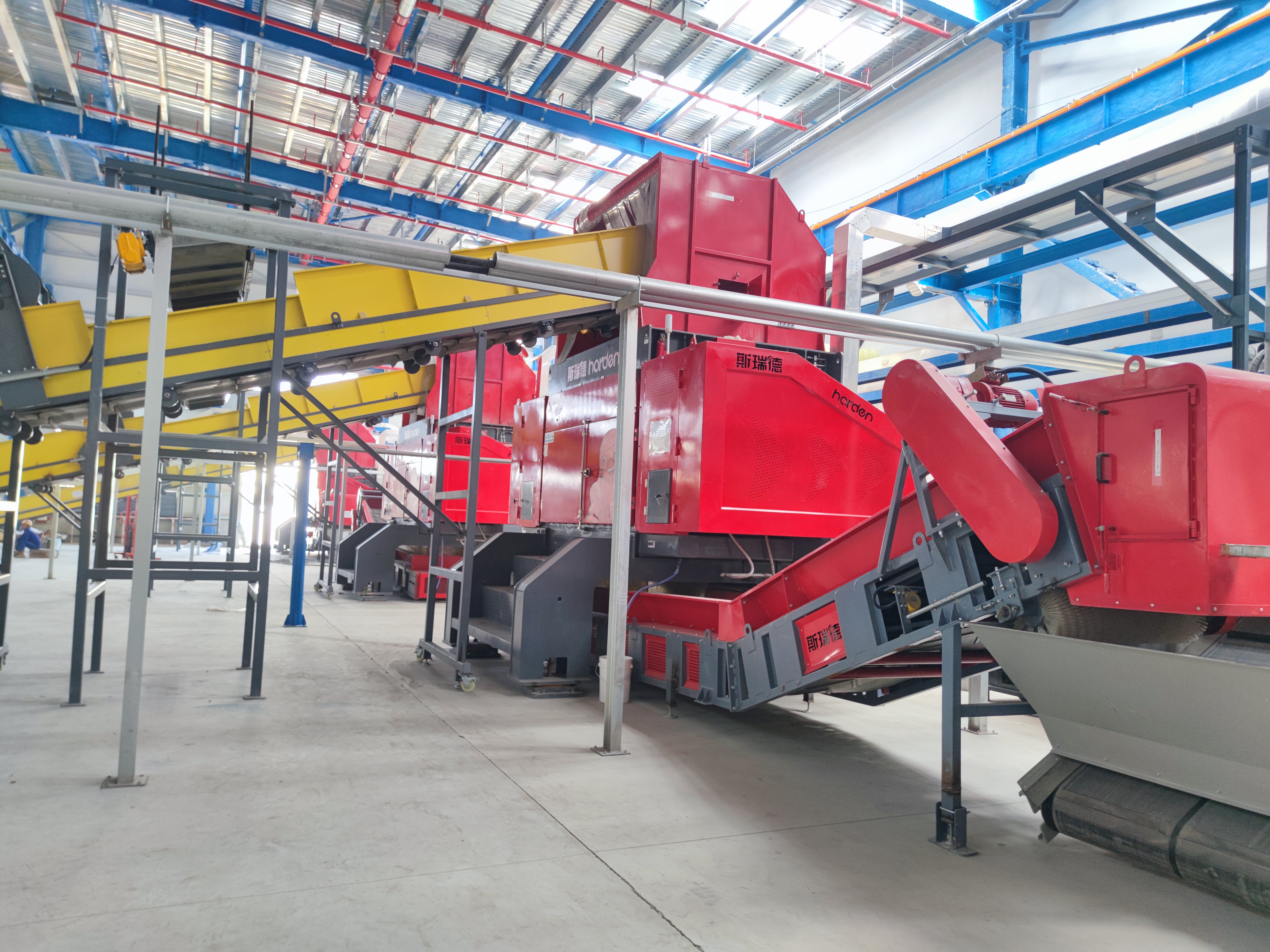
2. Contaminants Increase Equipment Wear and Affect Oil Quality
Lightweight plastics from mixed MSW may contain soil, food residues, metals, glass and other unwanted materials.
Hard contaminants: Metals, glass and stones can increase wear on downstream equipment.
High ash content: Inorganic contaminants can increase solid residues and complicate downstream oil processing.
Chlorinated plastics: PVC can release hydrogen chloride during thermal decomposition, creating corrosion risks and additional requirements for gas treatment.
By combining shredding with appropriate screening and separation equipment, Harden Machinery helps remove selected contaminants before pyrolysis, reducing the amount of unwanted material entering downstream equipment and supporting better feedstock quality.
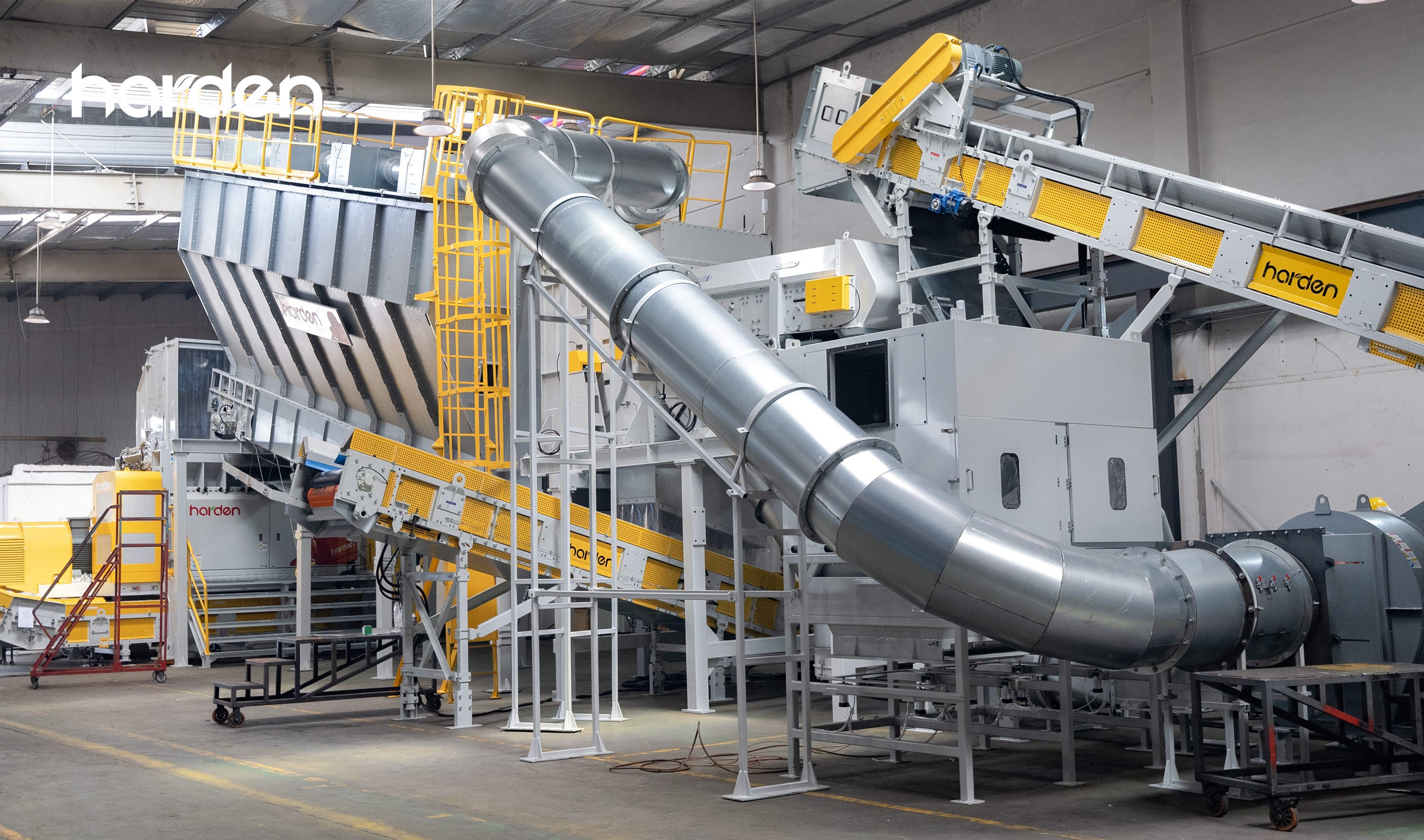
3. Inconsistent Particle Sizes Make Process Control More Difficult
When large pieces, loose films and small plastic fragments are mixed together, differences in particle size and shape can affect feeding behaviour and heat transfer.
Uncontrolled feed size may contribute to fluctuating operating conditions and inconsistent product yields.
Standardised shredding pre-treatment helps bring plastic feedstock closer to the target particle-size range specified by the pyrolysis system, supporting more stable feeding, process control and continuous operation.
Why Is Pre-treatment Essential for Plastic Pyrolysis?
The performance of a pyrolysis system depends not only on the reactor itself, but also on the quality and consistency of the incoming feedstock.
Without suitable shredding, screening and separation, even a well-designed pyrolysis reactor may struggle to achieve its intended operating performance.
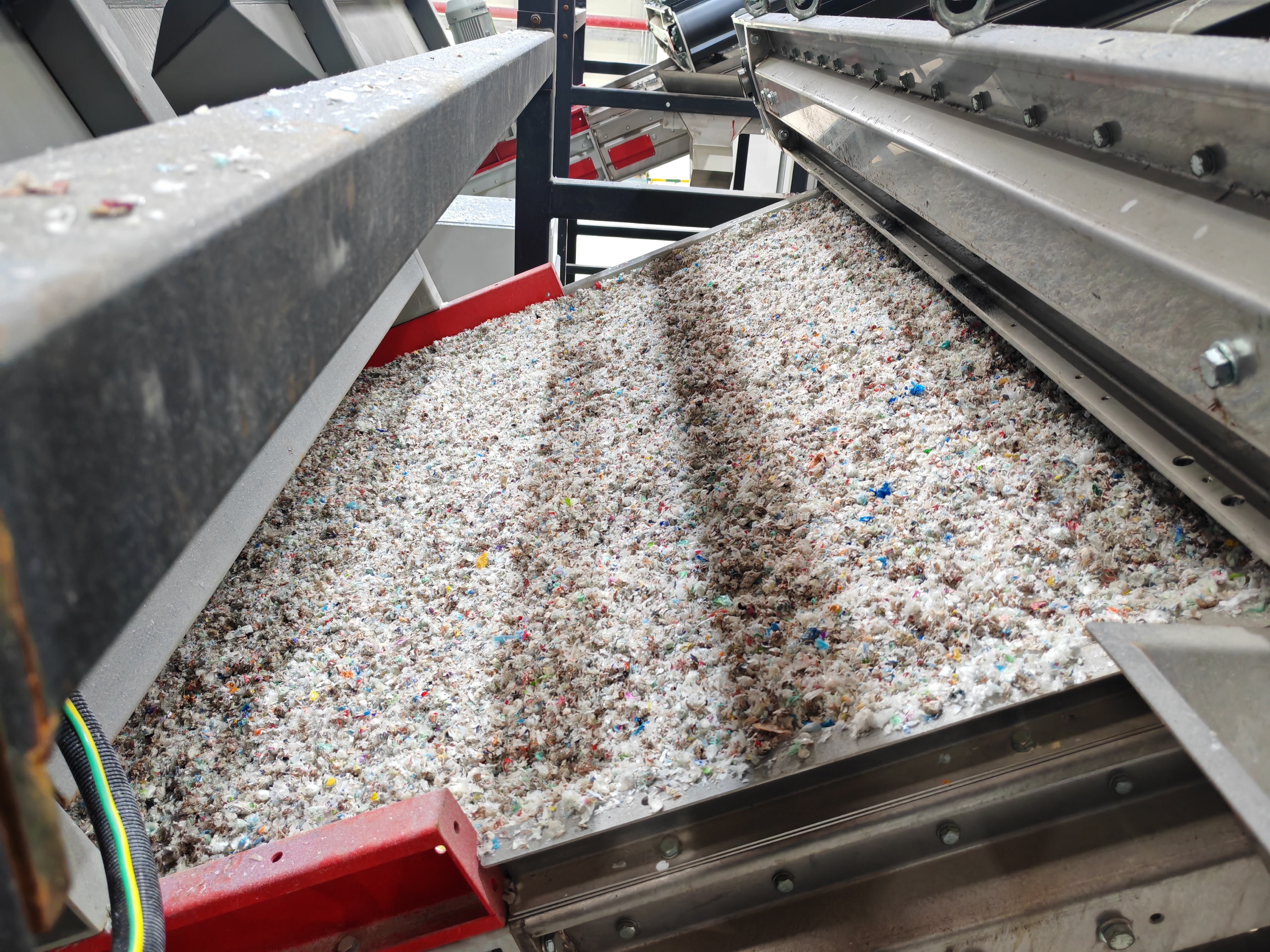
Harden Machinery Machinery Ltd. specialises in front-end pre-treatment solutions for solid waste resource recovery. For lightweight plastics and flexible films from MSW, Harden Machinery provides integrated shredding and screening solutions designed to reduce tangling, improve material handling and remove selected contaminants.
Harden Machinery helps plastic recycling and chemical recycling projects build a more reliable foundation for waste plastic pyrolysis — starting with effective pre-treatment.
